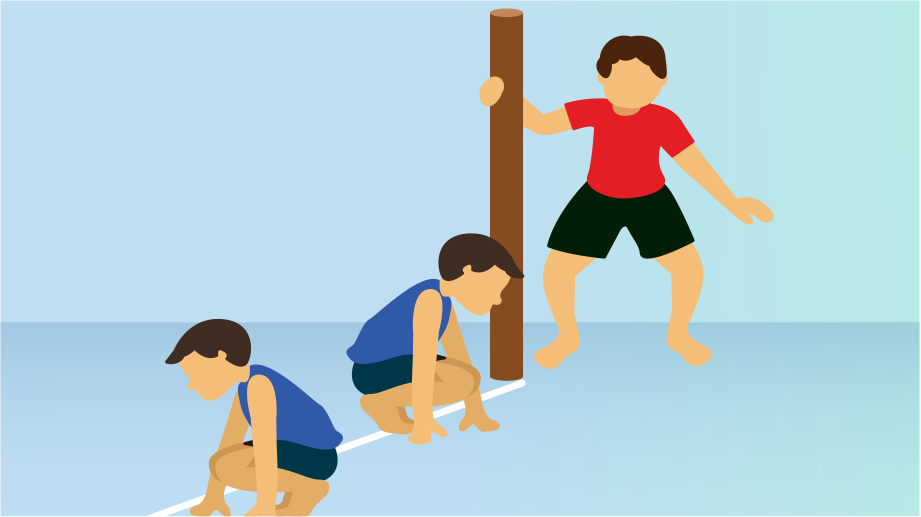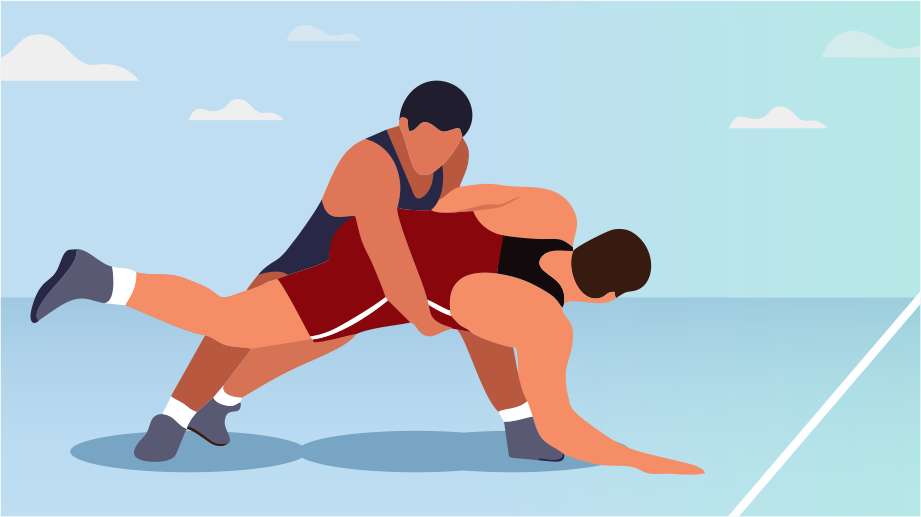
Kabaddi is one of the most popular traditional sports of India and has deep roots in rural culture and local communities. It is a high-energy contact sport that requires strength, speed, teamwork, quick reflexes, strategy, and mental focus. Over the years, Kabaddi has gained massive popularity across India through national and international tournaments, especially after the launch of the Pro Kabaddi League.

Kabaddi is not only a sport but also a symbol of discipline, teamwork, courage, and fitness. It helps improve physical strength, stamina, agility, balance, and decision-making skills. The sport can be played with minimal equipment, which makes it highly accessible and affordable for village and district-level communities.

One of the biggest advantages of Kabaddi is that it creates opportunities for rural youth to showcase their talent at district, state, national, and international levels. It encourages youngsters to stay physically active and away from unhealthy habits while building confidence and leadership qualities.

Despite its popularity, Kabaddi still faces several challenges in many districts. Lack of proper training facilities, limited sponsorship support, insufficient awareness about professional opportunities, and inadequate playground infrastructure often restrict the growth of talented players from rural areas. In many places, young athletes do not receive proper coaching, nutrition support, or financial assistance to continue their journey in sports.

TownSol members, let us come together and share ideas, collaborations, and suggestions to make Kabaddi a stronger and more popular sport in our hometown district.

Here are a few thoughts for community discussion:

  • Can we encourage Kabaddi training sessions in schools and colleges as part of sports and physical education activities?
  • Can we organize district-level Kabaddi tournaments to identify and promote local talent?
  • How can local businesses and organizations support Kabaddi players through sponsorships, equipment, and financial assistance?
  • Can we develop better playgrounds and practice facilities for village-level Kabaddi teams?
  • How can we encourage more girls and women to participate in Kabaddi and represent the district at higher levels?
  • Can experienced Kabaddi players and coaches mentor young athletes in rural communities?
  • How can social media and digital platforms help promote local Kabaddi talent and success stories?
  • What initiatives can help provide nutrition, fitness training, and career guidance for Kabaddi players?

Please add more thoughts and suggestions in the format of TOPIC for community discussion.

Reference:
Amateur Kabaddi Federation of India
Pro Kabaddi League

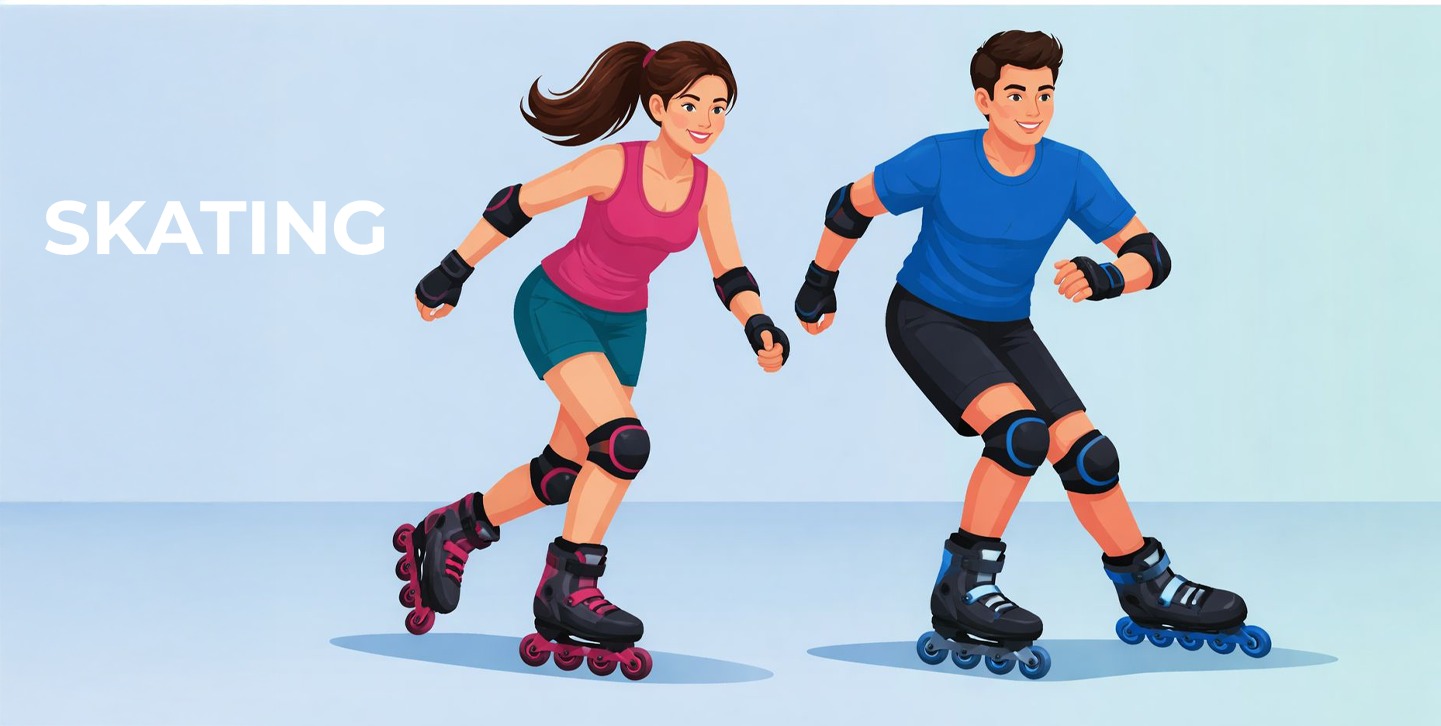
Skating is one of the most exciting and fast-growing sports in India, combining speed, balance, and precision. From smooth indoor rinks to open grounds in local neighborhoods, skating is quickly becoming a favorite among young athletes across the country.

In recent years, India has produced talented skaters who have made their mark at national and international levels. Athletes like Anup Kumar Yama have shown that with dedication and the right support, Indian skaters can compete with the best in the world. The journey of these athletes—starting from small practice areas to competing on global platforms—is truly inspiring.

Skating is not just fun—it offers amazing health benefits too. It improves balance, coordination, flexibility, and overall body strength. It’s also a great cardio workout that keeps the body active and the mind refreshed. Skating builds confidence, focus, and discipline, especially among young learners.

However, despite its growing popularity, skating still faces several challenges in India. Many aspiring skaters lack access to proper rinks, quality coaching, and financial support. Professional opportunities are limited, and there is still less awareness compared to mainstream sports. Many talented players struggle to continue due to high equipment costs and limited sponsorships.

Let us come together to share ideas to overcome these challenges and promote skating as a strong and sustainable sport in our districts.

Reference Sites: https://rsfi.in/

Kho Kho, a traditional Indian sport where agility, strategy, and lightning-fast reflexes are your weapons, and teamwork is your shield. This was a popular sport for generations, but it lost its sheen along the way as it could not translate into a lucrative career opportunity.

This traditional Indian sport boosts cardiovascular health, enhances agility, and promotes teamwork. The swift movements and strategic gameplay provide a full-body workout, improving endurance and fostering mental sharpness.

In this forum, we want TownSol members to discuss and suggest ideas to make the game popular again in their town. Kho-Kho is a game that requires minimum investment and hence it can be played in every village and town. Every member can help in their own capacity, be it time, effort, ideas, money, resources or knowledge sharing, to create a sporting culture in their town.

We need to brainstorm ideas, avenues and collaboration opportunities to make Kho Kho a popular and competitive sport that not only gives happiness but can also create employment opportunities. 

Food for thought

We have Kho Kho greats in our country, but how can we utilise them to groom the future generation?

Can we pool in resources to create a Kho Kho team at town level?

What is the kind of government support such an initiative would require?

Can we create a knowledge bank from experts like nutritionist, physiotherapists, psychologists, strength trainers etc.to make a Kho Kho team successful?

What kind of support or infrastructure would be required to establish or participate in franchisee format league Kho Kho games?

Share your ideas in comments below to take Kho Kho and sports to the next level in India.

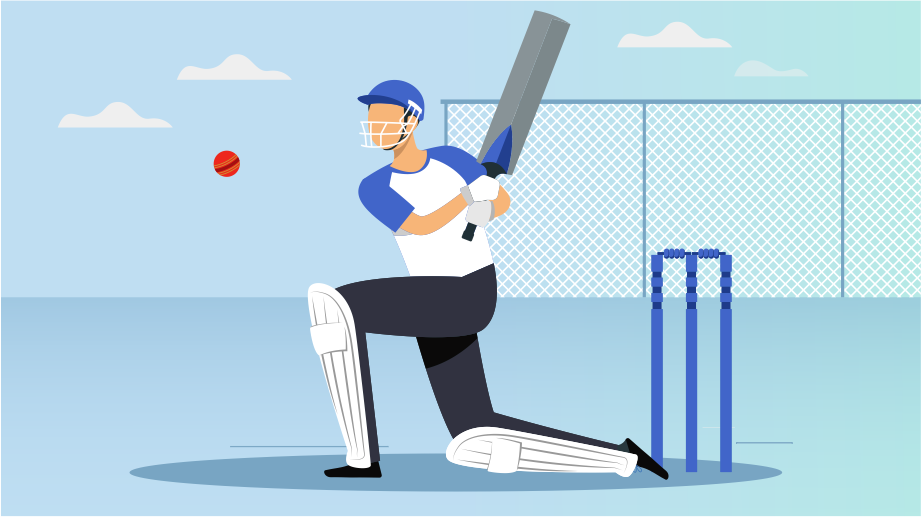
Cricket, the heartbeat of India is not just a sport; it’s an emotion that flows through every Indian’s veins. With a history that traces back to the colonial era, cricket has evolved into something more profound—it’s a unifying force that knows no bounds, bringing millions of fans under the same sky.

India has impressive records in cricket and Indian men’s and women’s cricket teams have performed extremely well in various international competitions including the World Cup.

But cricket is not just a game; it’s a symphony of physical and mental health. It’s a rhythm that elevates cardiovascular fitness and sharpens hand-eye coordination and reflexes. It’s a stage where teamwork and social interactions take the spotlight, nurturing the soul and well-being of those who play.

Despite the exceptional performance of the Indian cricket team on the global stage, Indian cricket has various challenges. While most of them are aware about the game, too many players and fewer opportunities makes it hard to offer equal opportunities.

In rural areas, limited infrastructure and inaccessibility to quality coaching serve as roadblocks to nurturing raw talent. Corruption and administrative disputes within cricket associations cast shadows on the smooth progression of the sport.

 With this forum post, we invite Townsol to share your valuable insights and ideas on how to promote cricket in your respective districts.

Food for thought

  • Can district people come together to build good quality pitches? This could be by community service and crowdfunding.
  • Can we offer coaching and summer training camps for budding cricketers? We can collaborate with experienced coaches to provide their expert guidance to young talent.
  • Can we encourage and support women’s cricket to create more opportunities for girls and women to participate and excel in the sport?
  • Discuss cricket as a viable career path for high school students to spread awareness about various options and schemes.

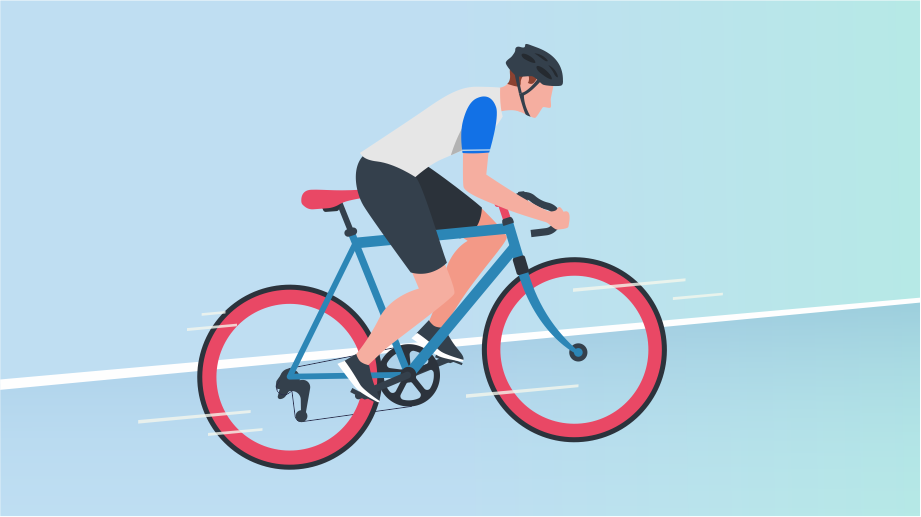
Cycling as a sport is gaining rapid popularity in India. Especially since the time of pandemic, more and more people are adopting cycling as a preferred mode of commuting and making it a routine part of their lifestyle. As health consciousness is growing, more enthusiasts are participating in triathlons and other competitions like Iron Man etc. and adopting cycling as a way of life.

But what about cycling as a sport? Indian cyclists have been showcasing strong performances in a variety of international competitions. However, cycling as a sport still has a long way to go in the country.

Cycling offers numerous benefits for our health. Cycling is a golden ticket to a low-impact, full-body workout extravaganza. Apart from weight management it is a perfect way to keep  stress, anxiety, and depression at bay. Cycling is like therapy on two wheels, with a view.

However, poor roads and a lack of dedicated cycling lanes are like potholes in our cycling dreams. Cycling to be considered as a sport, needs acceptance and investment from both people as well as the government. It’s time to pump up those tires and pave the way for change!

As TownSol members, we encourage you to exchange ideas and share enthusiasm to promote various sports in our local districts. District members from across the globe, lets come together and promote sports in our town!

Food for thought 

  • Just like walking tracks, can we have dedicated cycling tracks in our local parks or stadiums ? Can we work on improving infrastructures for cyclists in our communities?
  • How about promoting cycling tourism in our districts? It can stimulate the local economy by attracting visitors and can lead to increased income for local businesses.
  • Can we establish bike-sharing or rental programs in our districts to make bicycles more accessible to people?
  • Can we host regular cycling events such as cycling races to encourage participation from people of various age groups and skill levels?

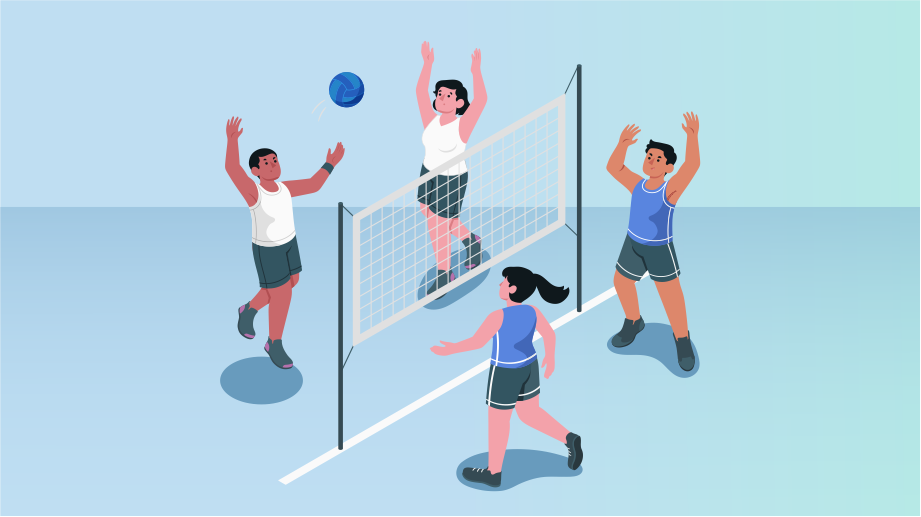
As a child each one of us must have played volleyball in some form or the other – beach, mud or a localised version of it. It is played and enjoyed widely both in urban as well as rural areas. However, when it comes to taking it up as a sport or possible opportunities beyond recreational activity, the avenues are limited.

India boasts a storied legacy of volleyball, with Indian players making their mark on prestigious international stages. The period from 1952 to 1980’s is considered the golden age of volleyball in India. But this beloved sport faced multiple internal and external challenges that resulted in the decline of its popularity.

Playing volleyball is not just a hobby; it’s a commitment to a healthier, more active lifestyle. The benefits extend beyond the court. Volleyball burns calories and builds muscle strength, making it an excellent choice for fitness enthusiasts. Furthermore, the sport enhances balance, agility, coordination, and mental well-being, making it a holistic wellness experience.

While the Indian volleyball team is displaying commendable performance, however, they have their fair share of challenges. Lack of sponsorship is one of the crucial struggles. Moreover, Volleyball players often struggle to find stable employment opportunities in the sport and this acts as an obstacle to pursuing volleyball as a full-time career.

In this forum, we’ll delve into the heart of these challenges, while also brainstorming innovative solutions to elevate volleyball’s popularity in our communities.

Food for thought

  • Can we collaborate with private companies to offer sponsorship and financial support for volleyball matches and players to overcome sponsorship issues?
  • Can we reach out to local businesses and government agencies to provide the relevant infrastructure required in community areas or schools?
  • Media coverage can be a powerful tool to increase interest and popularize volleyball among young generations. From collaborating with local news channels to starting a dedicated YouTube channel, we can try many options to get started.
  • Can we look at constituting sports scholarship in our district schools to promote the game?
  • Can we offer employment to retired or current volleyball players to ensure they are motivated to pursue and teach the sport to a younger generation?
  • We can also promote different types of volleyball such as beach volleyball and mud volleyball to make people interested in this game.

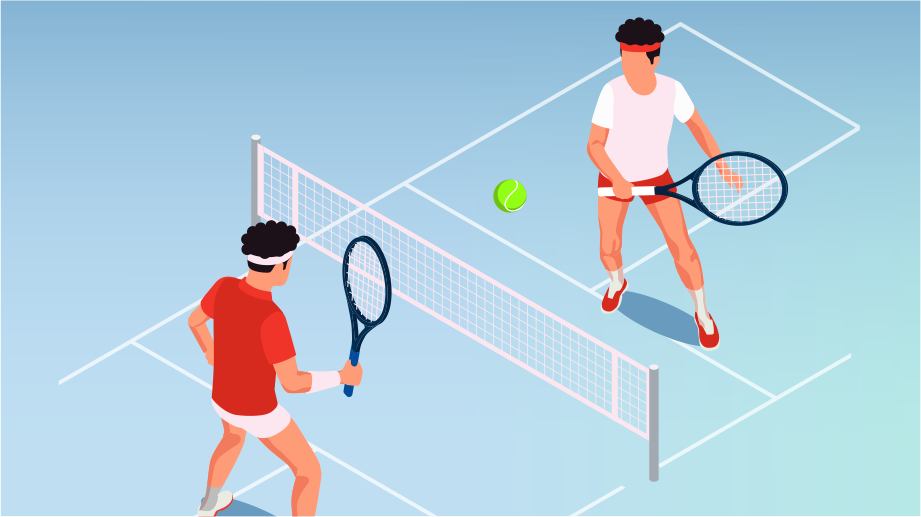
Tennis is one of the popular sports in India with a significant fan following today, but the sport itself is comparatively new to us. British soldiers brought this elegant sport to our shores, and over the years, it has woven itself into the vibrant tapestry of Indian sports culture. India has achieved remarkable achievements on the global stage in tennis and produced many world-class tennis players including Vijay Amritraj, Sania Mirza, Leander Paes, Mahesh Bhupathi and many more.

But tennis isn’t just about grand slams and aces; it’s a secret weapon for health enthusiasts. It’s the ultimate full-body workout, sculpting strength, agility, and boosting mood. It’s your ticket to a stress-free, mood-enhancing game.

Despite India’s glorious performance in many prestigious international competitions, including the Olympics, Indian tennis has its own set of challenges. Tennis is still predominantly popular in urban areas only, and has not found a footing in smaller towns and districts. The equipment cost is another hindrance as not everyone has access to the costly tennis equipment (such as racquets and balls), or the necessary coaching. Moreover, many cities also lack proper infrastructure (tennis courts) for playing or learning tennis.

But here at Townsol, we want to smash these challenges! Let us work towards serving up a revolution and make tennis popular in our local communities.

Food for thought

  • Can we collaborate with relevant businesses to build tennis courts in district schools?
  • Let us connect with national level tennis players to see if they can provide mentorship to school students in our districts.
  • Can we Identify and support promising young players by providing scholarships, coaching, and access to competitive opportunities to help them excel in the sport?
  • Can we work with local sports stores or manufacturers to negotiate discounts on tennis equipment for schools, students, and community members?
  • Can good tennis talent get opportunities like being the brand ambassador for local businesses and earn to ensure continued performance?

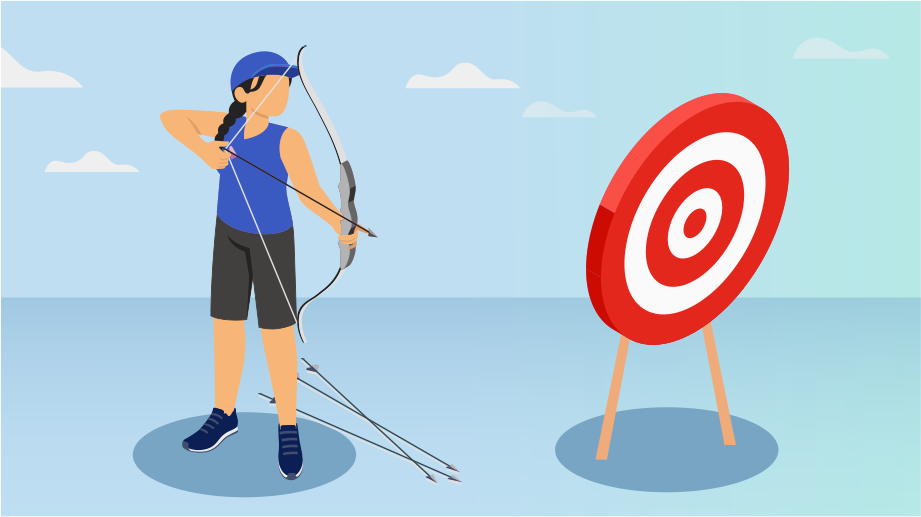
Shooting as a sport has gained immense popularity in India in recent years. Our Indian sharpshooters have hit the bull’s eye on the global stage, including 4 gold medals in the Olympics. But this land of kings and warriors has a much greater potential and that’s what we want to discover and support.

Shooting as a sport enriches both body and mind, sculpting upper body strength, enhancing stamina, and honing mental acuity. The crack of a gunshot is not just a sound; it’s an adrenaline rush, a testament to the fine balance of power and precision.

Despite India’s potential, the heart-wrenching reality is that shooting remains an elusive dream for many in India. The scarcity of shooting ranges and the financial demands of the sport have created barriers, limiting access to millions. Furthermore, shooting athletes face challenges in securing proper employment opportunities and the essential financial support which is required to sustain their performance.

While we celebrate and remember Shooter Dadi’s – Chandro and Prakashi Tomar, we need to realise that they have already inspired millions of young people and now it is time that we provide those aspirants with the means and resources.

Here, at Townsol, we are on a mission to rewrite this narrative. We are committed to kindling the flames of passion for sports in our districts and building constructive spaces for nurturing the aspirations of the next generation. So, let’s start a discussion on this important topic.

Food for thought 

  • Can we establish a plan to acquire necessary equipment like firearms, safety gear and other required facilities to facilitate training and competitions? 
  • Can we crowdfund to establish shooting arenas and shooting training for our district aspirants?
  • Can we work on improving employment opportunities for shooting athletes to support them financially?
  • How about working with local media outlets to cover shooting events and showcase the achievements of local shooters?
  • Partnering with schools and colleges to support aspirants in visiting training camps to improve their skills.

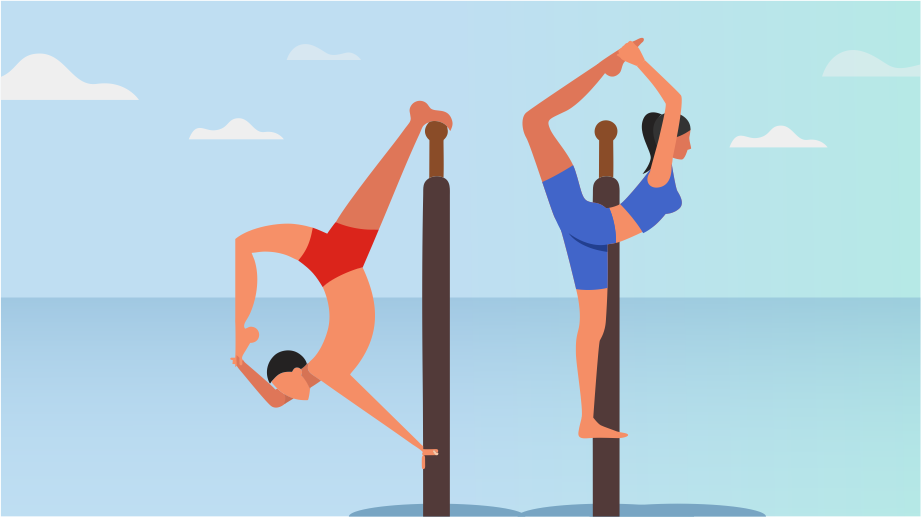
Mallakhamba – a mesmerizing fusion of gymnastics, yoga, and wrestling. It is an art form that has been the guiding light for warriors since ancient times. Known as the “Mother of all sports” in India, is a testament to the deep-rooted traditions of this land.

Mallakhamba was introduced as a competitive sport in the year 1958 and since then it has gained popularity not only in India but in many other countries, including the USA, Japan and many more. 

Mallakhamba offers many physical and mental benefits. It is a gateway to a stronger, more flexible you. It forges a robust core, while also nurturing self-confidence and preserving the cultural connection that makes us who we are. It’s not just a sport; it’s a foundation for success in other sports like football and cricket.

Despite the increased popularity of Mallakhamba worldwide in the past decade, it faces several challenges in contemporary India. With limited mainstream attention, Mallakhamba is struggling to find its place alongside other modern sports. Lack of financial support and sponsorship opportunities are other reasons that hamper the growth and development of Mallakhamba in local communities. Aspiring Mallakhamba athletes are left with few avenues to turn their passion into a full-time career.

With this forum, we are inviting Townsol members to share their thoughts on promoting Mallakhamba in our local communities.  

Food for thought

  • Can we create awareness about Mallakhamba through social media, local newspapers, and community events to raise awareness and enhance interest among people? 
  • Can we integrate Mallakhamba into local cultural events and festivals as a part of traditional celebrations to attract a broader audience?
  • Can wecollaborate with local schools to include Mallakhamba in their physical education curriculum just like gymnastics?

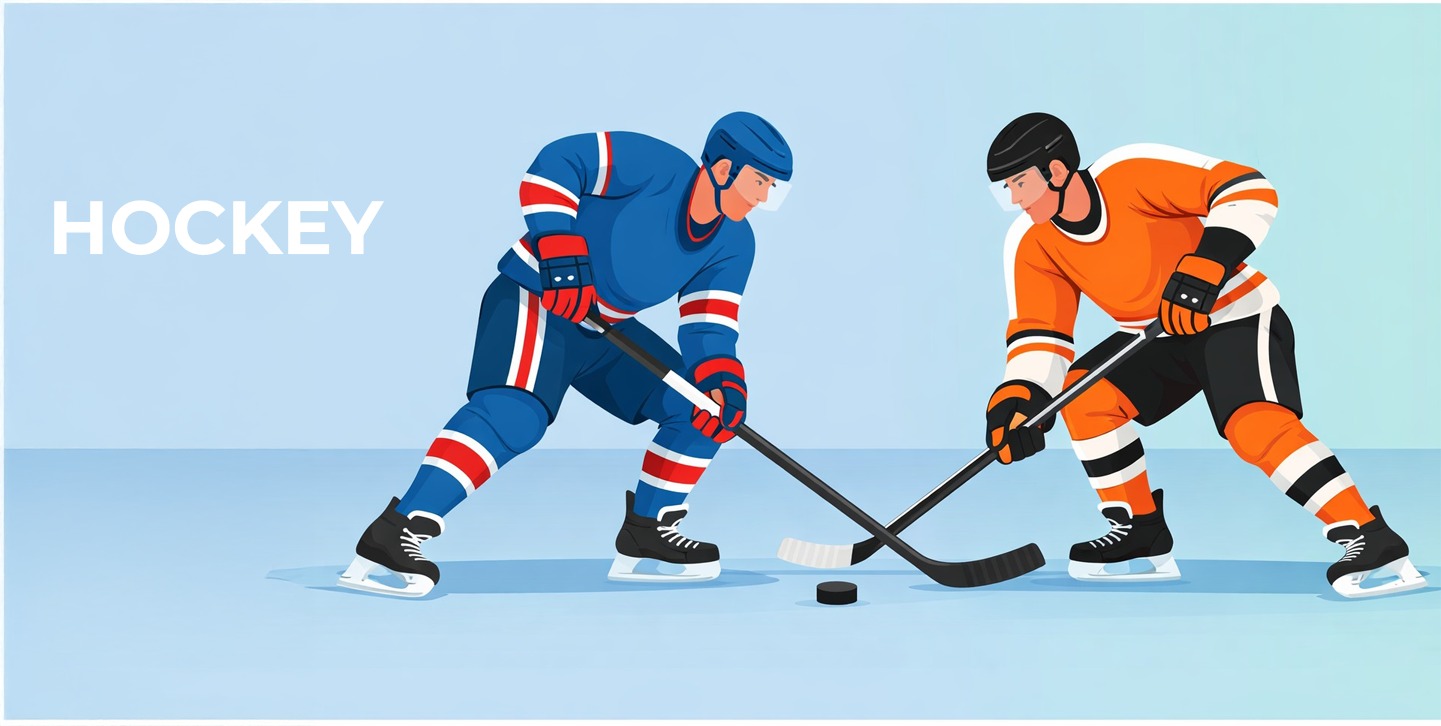
Hockey is one of the most celebrated sports in India, deeply rooted in our history and national pride. From the golden era of Olympic dominance to the modern resurgence, hockey in India is a story of legacy, passion, and perseverance.

India has produced legendary hockey players like Dhyan Chand, whose brilliance on the field earned him the title “The Wizard of Hockey.” In recent years, Indian hockey has seen a strong revival, with both men’s and women’s teams making the nation proud on international platforms like the Olympics. The journey of Indian hockey players—from small towns and modest backgrounds to representing the country on the global stage—is truly inspiring.

Hockey is not just a sport; it is a complete fitness package. It improves stamina, agility, coordination, and teamwork. The fast-paced nature of the game keeps players physically active and mentally sharp. Beyond fitness, hockey builds discipline, leadership, and a strong team spirit.

However, despite its rich legacy, hockey in India still faces several challenges. While international success has brought attention, grassroots development and consistent support remain areas of concern. Many talented players struggle with limited access to quality training facilities, financial constraints, and fewer professional opportunities compared to other sports. Infrastructure in rural areas, where much of the raw talent exists, still needs significant improvement.

Let us come together to share ideas to overcome these challenges and promote hockey as a strong and sustainable sport in our districts.

Reference Sites

Food for Thought

  • Can we bring national and international hockey players to initiate local hockey leagues?
  • How can we ensure better infrastructure and training facilities at the district level?
  • Can we create hockey academies and talent incubation centers in local sports complexes?
  • What steps can be taken to improve job and financial security for hockey players?
  • How can we increase awareness about government schemes that support hockey development?